
Published November 2, 2026
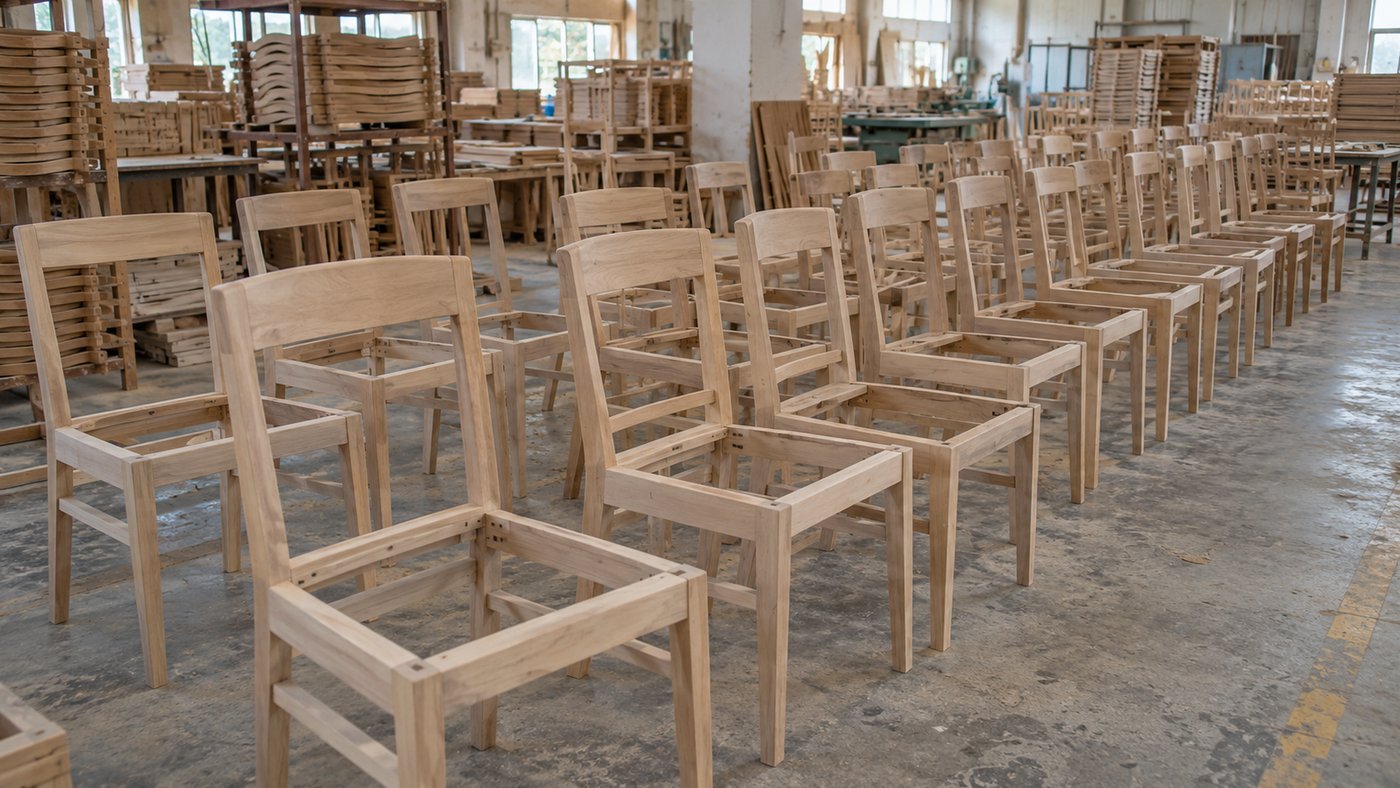
Your factory has made products for US brands for years. You know the specs, the audits and the shipping dates by heart. What you don't own is the name on the box, the review page or the price a US shopper pays, and each year the buyer asks for a little more off yours.
Building your own brand on Amazon US changes who keeps that margin. It means filing a trademark, enrolling it in Amazon Brand Registry, choosing products that don't compete with your buyers, writing listings for US shoppers and running a P&L for every product. None of it needs a US office. It does need you to decide, early, which products carry your name.
Vietnamese manufacturers build their own brand on Amazon US by registering a seller account in their company's name, protecting the brand with a trademark and Brand Registry, and launching a few products chosen for US demand. Many are already doing it. Vietcetera reported on 25 May 2026 that the number of Vietnamese sellers enrolling in Brand Registry rose 30% in 12 months, a figure it took from Amazon's Vietnam SMEs Empowerment Report 2025.
Amazon backs that shift with its own team in the country. Its Vietnamese-language Global Selling site offers registration help, a seller academy, a directory of service providers and support over Zalo. Use it, because the training and the incentives are worth having whoever runs your account.
The setup itself is the same as anywhere in Southeast Asia, and our guide for Southeast Asian manufacturers selling on Amazon US lists each step. Vietnam differs from some of its neighbors on documents and payouts. Amazon's verification page accepts documents in Vietnamese, so your business registration needs no translation. Vietnam is not on Amazon's list of countries for direct bank payouts, so you'll receive the money through a payment provider in Amazon's program or a bank account in a supported country.
You don't always need a US company to start, although some brands set one up for payouts, tax or retail plans. We don't give legal or tax advice, so check the setup with your own lawyer or accountant first. If you want a partner to handle research, listings and ads while your factory makes and ships, our Amazon launch services are built for that split. Decide who in your company will sign off on the brand before anything else.
Moving from OEM to your own brand means you stop selling containers at a fixed price and start selling single units to shoppers, which moves the margin, the risk and the decisions to you. Your buyer used to own the listing, the reviews, the ads and the unsold stock, and from launch day all four belong to you.
Your side of the business changes in these ways.
Duties deserve a line of their own in your plan, and our explainer on how US tariffs change your Amazon US pricing shows how they flow into the shelf price. Rates change often, so confirm the current duty on each product with your customs broker.
Choosing the products is where your existing buyers come in. Start with sizes, flavors, packs or variants they don't carry, so the brand adds to your export business instead of undercutting it. You can score each candidate the way our guide to which products to sell on Amazon US first does it. Mark the products in your catalog that no US buyer takes from you today, because your first launch usually comes from that list.
A Vietnamese brand gets into Amazon Brand Registry with a registered or pending trademark for the brand name or logo, and a logo carrying the brand name fixed to the product or its packaging. Amazon's Brand Registry page says the trademark must come from the office of a country with an Amazon store, and Amazon charges nothing to enroll.
For a brand aimed at US shoppers, the first decision is which office to file in. If you file in the US, the USPTO requires applicants based outside the US to use a US-licensed attorney. Amazon's IP Accelerator connects brands with vetted law firms and lets you enroll in Brand Registry while the application is still pending. The same page lists a pre-negotiated maximum of $700 plus government fees for a US application covering one brand and one class.
Brand Registry is what lets you control your own listings, report copies and use tools such as A+ content, the richer images and text below the bullets. Without it, you have fewer tools to stop other sellers changing your product page.
Before anything is filed, put these to your IP lawyer. Which classes cover your products, is the name already taken in the US, and should you file anywhere else too? Then file the application before your packaging supplier prints a single carton.
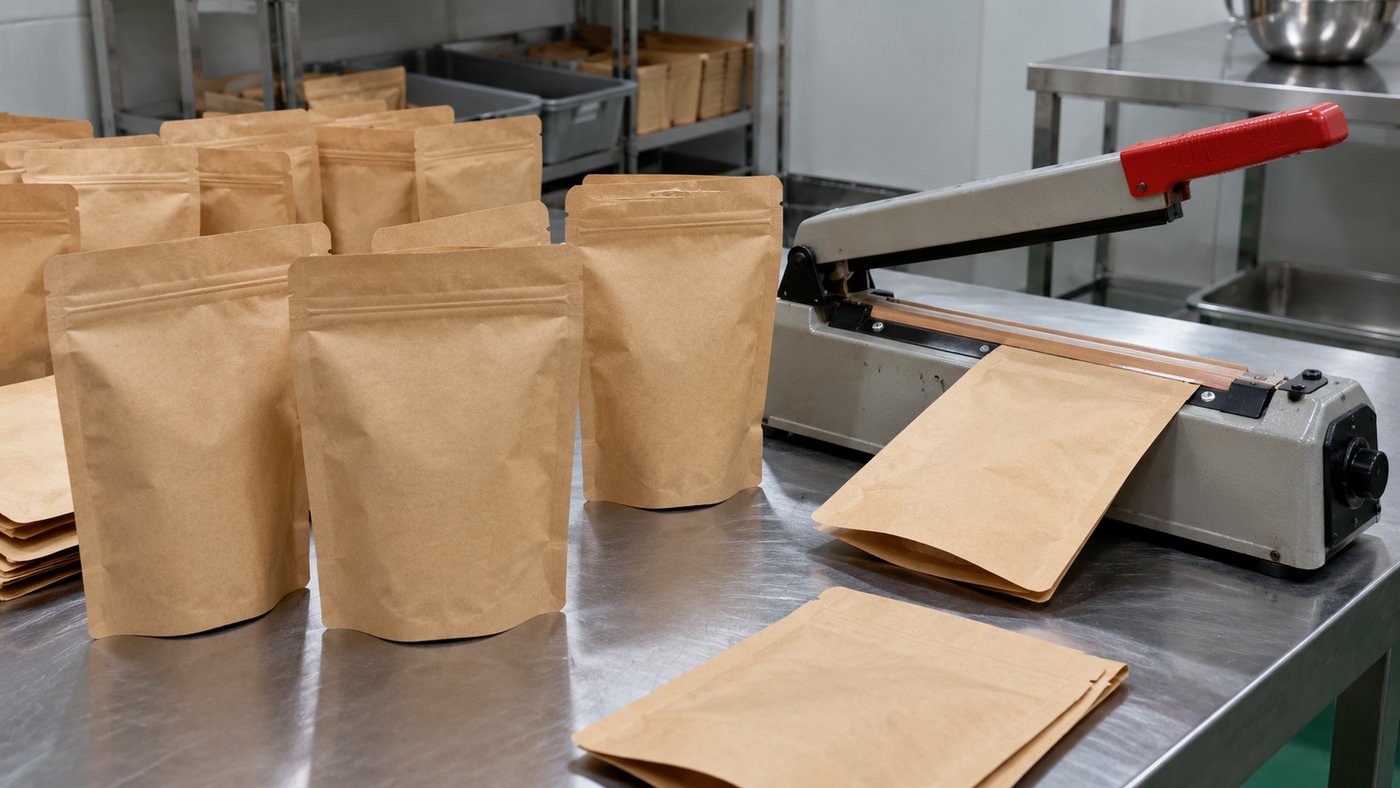
A first launch for a Vietnamese manufacturer moves from product choice to a live, tuned listing in about six to nine weeks, if the trademark is filed and stock is ready to ship. The work splits clearly. The seller account sits in your company's name, and your factory handles production, packing to Amazon's rules and the shipment to FBA. Market research, listings, ads and scaling are ours, and the P&L is a joint job.
The research establishes what each product has to compete against. For each product we measure the market against the top sellers on page one of its niche, their price, rating, reviews and monthly sales, and read the reviews for what shoppers complain about. That's where a factory brand finds its opening, often in a pack size, a claim or a feature the leaders ignore.
The listing then has to answer the questions shoppers ask, including those they put to Alexa for Shopping, Amazon's shopping assistant. Factory specs translated into English rarely do that, so the copy is written from how US shoppers search.
Before launch, ask for the break-even month of each product, not only a sales forecast. If your P&L shows a product can't reach profit at a sensible price, you'll want to know before the container leaves Cat Lai.
Vietnamese manufacturers should look for an Amazon partner that knows US shoppers, can sit with their team in Vietnamese hours, and shows a P&L by product before any agreement. Amazon's Vietnamese provider directory is a good place to build a shortlist, since it lists firms by service.
Put the same questions to each candidate. Who will work on your account, and in which time zone? What will they need from your factory, and when? What will the weekly report show, in sales, ad spend and margin per product? And which manufacturer with its own factory have they launched, with a dated result?
Listen for answers about your products rather than about the partner's size. A team that asks for your FOB costs, your US buyers' ranges and your carton sizes is thinking about your margin. Send your shortlist the same product list and compare what each one sends back.
As a US company with our own team in Vietnam, we help Vietnamese manufacturers turn products they already make into a brand US shoppers buy on Amazon.
Share your product list and FOB costs, and our team in Vietnam replies within 1 business day. Within 10 business days of getting your data, you'll have the audit in hand.
Get Your Amazon US Launch AuditAmazon publishes its full list of accepted trademark offices inside Seller Central. Check that list, or ask your IP lawyer, before you rely on a Vietnamese registration for a brand you mainly sell in the US.
No. Amazon's team in Vietnam trains sellers, runs events and points you to service providers, but the selling account, the listings and the ads remain your company's responsibility or that of the partner you hire.
That depends on your buyers. A factory brand already known to US importers can carry trust, while a separate consumer brand keeps your Amazon line apart from the private-label work you do for others. Settle that choice with your board before the trademark application goes in.
Yes. Walmart Marketplace and other US marketplaces can sit beside Amazon, and the same P&L can track the fees of each channel side by side.

Mike Le
Co-Founder, CB/I Digital and Conative AI
Mike Le co-founded CB/I Digital in New York in 2007 and has helped brands grow through search, paid media and data ever since. He started the agency's AI team in 2019 and later started Conative AI. He writes about how customers find and choose brands now that AI answers sit between them and the search results.
Follow Mike on LinkedInCopyright © 2026 CB/I DIGITAL INC. All rights reserved | Privacy Policy