
Published November 2, 2026
Your factory has shipped containers to the same US importers for years. Then someone on your team finds your product on Amazon, under the importer's brand, at several times your FOB price. The question in the next board meeting writes itself. Why aren't we selling it ourselves?
You can, and the route is the same from every country in the region. You register a seller account in your company's name, pass Amazon's verification, choose how Amazon will pay you, protect your brand with a trademark and ship the stock to Amazon's US warehouses. What changes from Thailand to Indonesia is the paperwork around those steps, and getting it right first time saves you weeks.
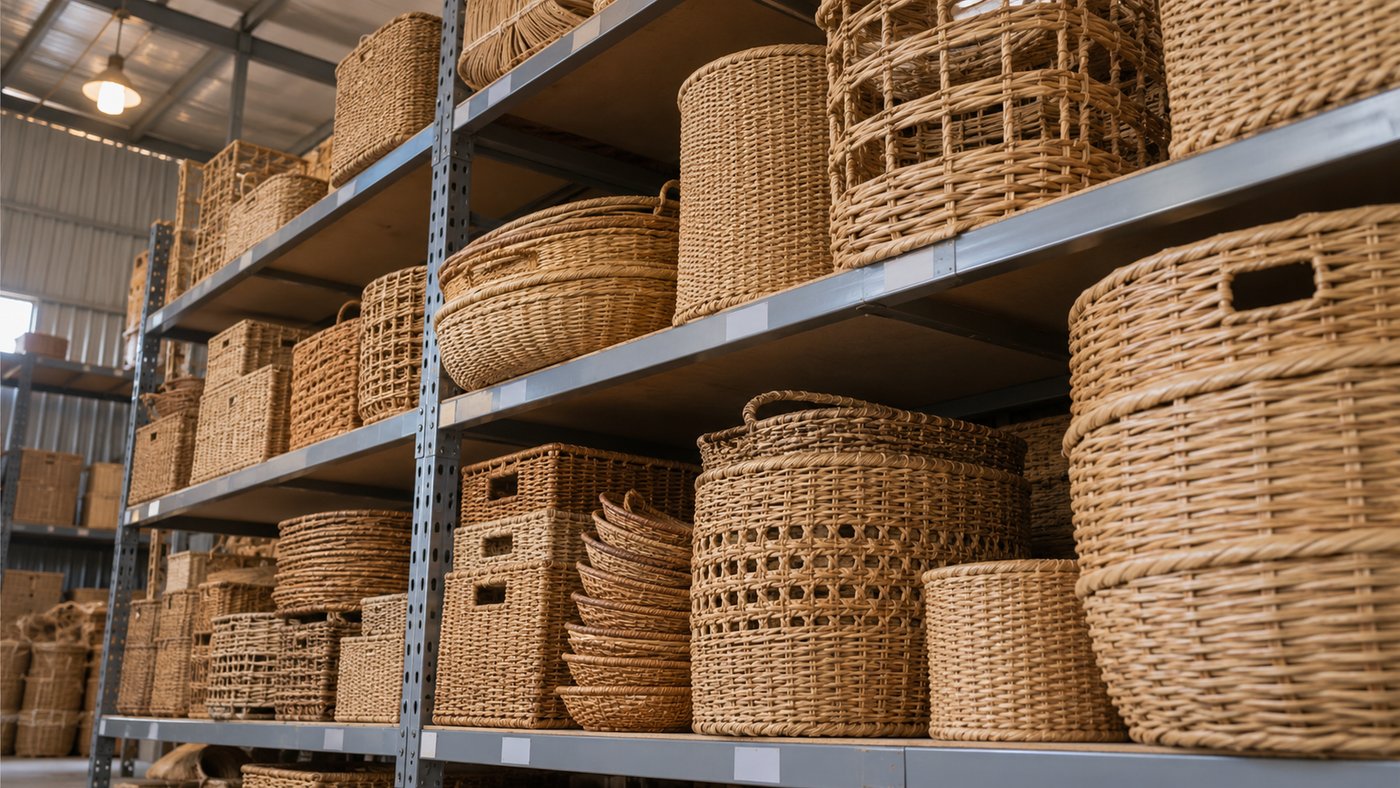
A Southeast Asian manufacturer sells on Amazon US by opening a Professional seller account, Amazon's monthly plan for businesses, and launching its own brand there. Amazon calls this route Global Selling, its program for businesses that sell into its stores abroad, and its global selling page says you may not need to form a US company to sell in the US.
The steps run in this order.
The first step decides most of what follows. A factory's best B2B item is often a poor opener, because it was sized, packed and priced for an importer, and our guide to which products to sell on Amazon US first shows how to score your catalog instead.
The last step carries a cost many exporters miss. Amazon's guide for sellers shipping into the US says you or your provider act as importer of record for FBA stock, and Amazon isn't responsible for the duties. Ask your customs broker for the current US duty on each product, since rates change often and differ by country of origin.
You can run every step yourself, or hand the research, listings and ads to a team such as our Amazon launch services while your factory makes and ships the stock. Before you choose, list the steps and mark who in your company would own each one.
From one Southeast Asian country to the next, the language your documents must be in changes, so does whether Amazon can pay a local bank directly, and so does the US duty on your goods. Everything else in the setup works the same way.
Amazon's verification page accepts documents in a fixed list of languages that includes English, Thai and Vietnamese. Documents in any other language need a notarized translation sent with the original. Amazon's list of countries for direct payouts from Amazon.com includes Singapore and the Philippines, and leaves out the other countries in the table. We read both pages on 2 November 2026.
| Country | Amazon's site for local sellers | Documents Amazon accepts as they are | Direct payout to a local bank from Amazon.com |
|---|---|---|---|
| Vietnam | sell.amazon.vn, in Vietnamese | Vietnamese or English | No |
| Thailand | sell.amazon.co.th, in Thai | Thai or English | No |
| Singapore | sell.amazon.com.sg, with a page on selling in the US | English | Yes, in SGD |
| Philippines | None on Amazon's country list; start from sell.amazon.com | English; Filipino needs a notarized translation | Yes, in PHP |
| Malaysia | None on Amazon's country list; training runs with MATRADE | English; Malay needs a notarized translation | No |
| Indonesia | None on Amazon's country list; start from sell.amazon.com | English; Bahasa Indonesia needs a notarized translation | No |
If your country has no direct payout, you'll receive the money through a payment company that takes part in Amazon's program, or through a bank account in a supported country. The routes, fees and timing are set out in our explainer on how sellers outside the US get paid by Amazon. Find your country's row and list every document you'll need to translate or replace before you register.
A Southeast Asian manufacturer doesn't always need a US company to sell on Amazon US, and the trademark question deserves more thought than the company one. Amazon takes sellers from most countries, as long as the business is registered at home and its papers pass verification. Some brands still set up a US entity for payouts, tax or later retail plans, and because we don't advise on law or tax, the final word on your structure belongs to your own lawyer or accountant.
Brand Registry is where the trademark matters. Amazon's Brand Registry page asks for a registered or pending trademark from the trademark office of a country with an Amazon store, plus a logo with your brand name fixed to the product or packaging. Amazon keeps the list of accepted offices in Seller Central, behind a login, so check it before you count on a filing at home. If the US is your main market, ask whether to file there as well, and note that the USPTO requires applicants based outside the US to be represented by a US-licensed attorney.
Vietnamese factories face a version of this question as they move from making for others to owning a brand, and our guide on how Vietnamese manufacturers build a brand on Amazon US walks through that route. Wherever you're based, ask your IP lawyer which office to file in first, and file before you print packaging, so the brand on the box is one you own.
Amazon Global Selling runs its own seller sites for Vietnam, Thailand and Singapore, works through the national trade agency in Malaysia, and lists no local seller site for the Philippines or Indonesia. These local teams provide training and contacts, but you'll still need someone to run your account.
The Thai seller site is written in Thai and built around selling on Amazon.com, with a bootcamp for new sellers, live webinars with Amazon trainers and a directory of service providers. The Vietnamese site offers registration guides, courses and a directory of providers sorted by service. Singapore's seller site has a page on selling in the US store.
In Malaysia, Amazon signed a memorandum of understanding with MATRADE, the national trade promotion agency, in June 2024. Amazon agreed to run training workshops and guide Malaysian firms through the seller journey, account registration included.
Use whatever your country has, because the sessions teach Amazon's rules in your own language before you make an expensive mistake. Sign up for your country's next Amazon workshop or webinar before you register, and take the one question about your setup that nobody in your company can answer yet.
Southeast Asian manufacturers should look for an Amazon partner that knows how US shoppers buy, has set up sellers from their country before, and shows a P&L by product before any agreement. You're hiring judgment about the US market, so test it on your own products rather than on a slide.
Ask first about your country's side of the setup. Has the partner registered a seller whose papers were in Bahasa Indonesia, Malay or Filipino, and how was the translation handled? Which payout route did its clients in your country use, and what did the transfer cost them? A partner that has only worked with US sellers will learn those answers on your account.
Ask about time zones next. Bangkok, Jakarta, Kuala Lumpur and Manila sit within an hour of Vietnam, so a team there shares most of your working day, while a US-only team answers while you sleep. Ask, too, who reviews your account each week and what the report shows.
Then ask for a result with a date and a period from a manufacturer that has its own factory. Proof from a brand like yours tells you more than a list of logos. If the partner can't show one, ask it to apply its method to one of your products before you sign.
We take manufacturers from Southeast Asia that already ship to US buyers onto Amazon US under their own brand, with research, listings, ads and scaling run by our team in the US and Vietnam.
Tell us which products you make and what they cost, and you'll hear from us within 1 business day. Your Amazon US Launch Audit follows within 10 business days once your data is in, and the document stays with you.
Get Your Amazon US Launch AuditYes, Amazon.sg serves shoppers in Singapore. Factories elsewhere in the region reach Amazon customers by selling into stores abroad, Amazon.com among them.
Amazon's New Seller Success program gives a limited number of new brands a dedicated account representative for up to 12 months. It is invite-only, and Amazon's own page says the brand must not already have an active Seller Central account.
Enough to cover the first two or three months of expected sales plus the sea freight time for the next order, and no more. Storage fees and slow-moving stock punish an oversized first shipment, while running out stops your ads and your rank.
Yes, if someone on the team writes clear English and can answer Amazon's cases quickly. The listing copy is a different job, because it must read the way a US shopper searches.

Mike Le
Co-Founder, CB/I Digital and Conative AI
Mike Le co-founded CB/I Digital in New York in 2007 and has helped brands grow through search, paid media and data ever since. He started the agency's AI team in 2019 and later started Conative AI. He writes about how customers find and choose brands now that AI answers sit between them and the search results.
Follow Mike on LinkedInCopyright © 2026 CB/I DIGITAL INC. All rights reserved | Privacy Policy