
Published November 2, 2026
Last year's shipment is still sitting in an Amazon warehouse, and the storage fees arrive every month. Sales came in, just never enough to cover freight, fees and ads, and now your board is asking whether Amazon US was a mistake.
Amazon US may still be worth pursuing, but your first plan needs another look. You restart an Amazon US brand by finding out product by product where the money went, stopping what can't become profitable, fixing the rest, and recording a baseline before you relaunch. A failed launch also leaves you something a new brand doesn't have, which is real data from US shoppers.
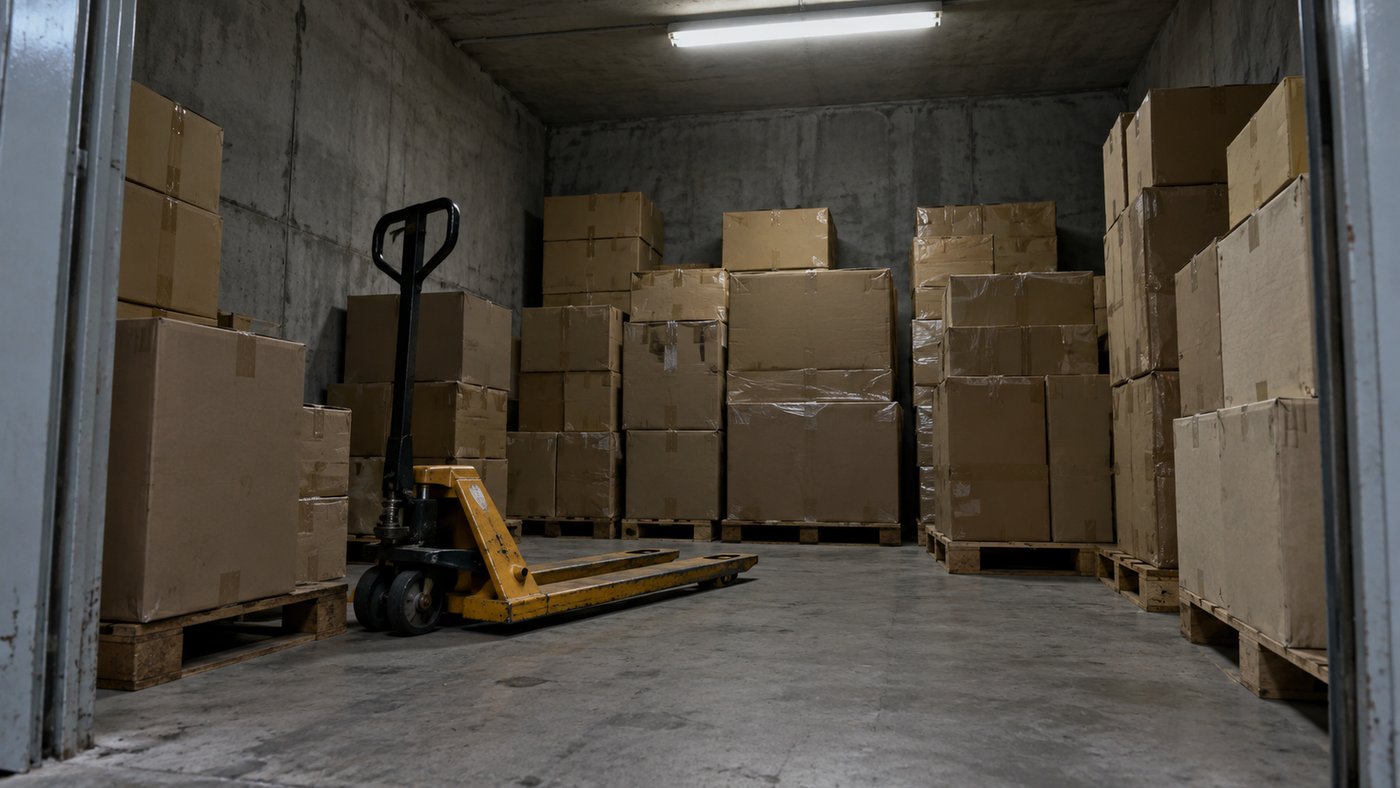
A first Amazon US launch usually fails for one of a few reasons, and most of them were set before the first unit shipped. The products didn't match US demand, the costs after Amazon's fees and freight were never planned per unit, the ads were too thin to find buyers, or the listings didn't answer what US shoppers ask.
Vietnamese firms have described each of these in the press. A cosmetics company told Tuoi Tre News in June 2024 that from its first shipment to FBA, Fulfillment by Amazon, where Amazon stores and ships your orders, "only two out of all five products received orders." Nguyen Ngoc Luan, general director of Meet More Vietnam, said his firm stopped selling because its transport and storage costs were too high, even with sales coming in. The paper reported that Nguyen Dung, CEO of 5MSTAR E-commerce, put the wider problem down to inexperience and a lack of research on customer demands.
The same week, Dung told The Investor that "many companies do not do in-depth market research and focus too much on competing on price." Competing on price is the hardest way to win on Amazon, because a factory's cost advantage shrinks fast once fees and freight are added.
Read those reasons again and mark the ones that sound like your launch. If more than one fits, you'll want to know which one cost you most before you change anything.
You diagnose a failed launch by building one row per product from your own reports in Seller Central, the account where you manage your Amazon sales, and Amazon Ads, then reading where each product loses money. A brand-level view hides the answer, because a single strong product can carry four weak ones until the cash runs out.
For each product, pull the same numbers for the last three months. These are the ones that tell the story.
Fees deserve a second look, because they changed during many first launches. In its fee update of December 2023, Amazon announced an inbound placement service fee from 1 March 2024, for spreading your stock across its warehouses, and a low-inventory-level fee from 1 April 2024, charged when your stock stays low against your sales. Storage is charged monthly by the space your stock takes up, according to Amazon's FBA page, so stock that doesn't move keeps costing you.
Build that sheet before your next planning meeting. You'll see within an hour whether the problem was demand, cost, ads or the listing.
Every product from a failed launch belongs in a keep, fix or stop pile, and the sheet you just built decides which. Keep the products that sell and earn a margin after all costs. Fix the ones that have demand but lose money on something you can change, such as a weak listing, a price or a carton size. Stop the ones that no realistic price can bring to profit.
Stopping is the hard call, especially for a product your factory is proud of. But a product that can't cover its fees at the price US shoppers pay will drain cash from the ones that can. The full P&L method, with fees, freight, duties and ads per unit, is set out in when a new Amazon US brand breaks even.
If you stop more than you keep, you may need new products for the restart. Which of your products to sell on Amazon US first explains how to pick them from your catalog.
Put a decision next to every product in writing, and agree it with your finance lead. You'll need that list when you plan the relaunch budget.
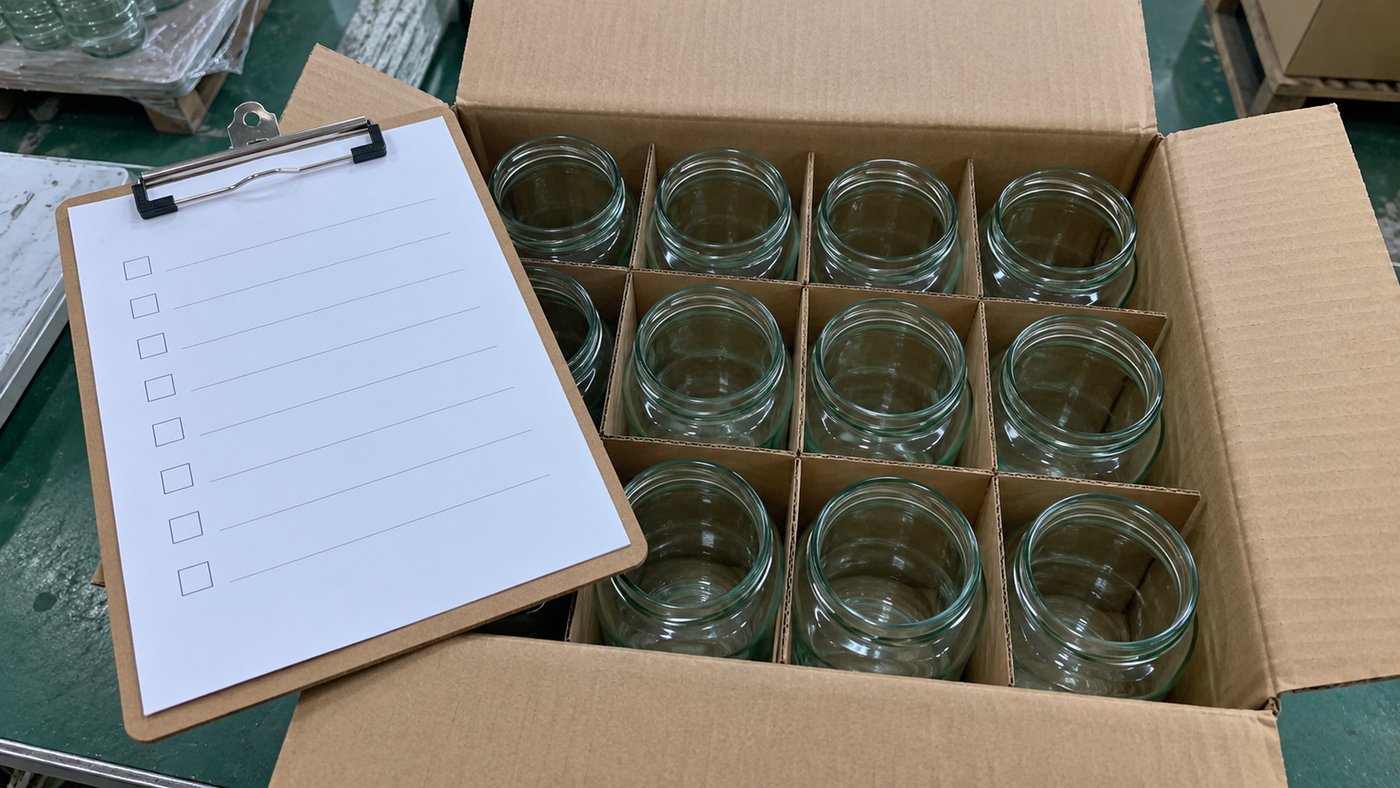
You relaunch an Amazon brand by taking the products you've kept through these steps, in this order. Clear or recover the stock that won't sell, rebuild the listings for US shoppers, restructure the ads by product, and track every change against the starting point you wrote down.
Listings come first, because ads can't fix a page that doesn't convert. Rewrite the title, images and bullets around what shoppers search for and what top sellers' reviews complain about, and answer the questions shoppers ask Alexa for Shopping, the assistant Amazon built from Rufus and Alexa+. Then rebuild the ads with campaigns by product and by search term, so you can see which ones earn.
Reviews need their own plan. A product relaunched with a handful of old reviews will struggle against page-one sellers with thousands, so first reviews through Amazon Vine, which Amazon describes as reviews from its trusted network of Vine Voices, usually belong in the relaunch budget. Promotions and deals come later, once the listing converts and the stock is in place. If your ads are spending more than they return, meaning a ROAS (ad sales per dollar of ad spend) under 1, why your Amazon ads ROAS is below 1 walks through the fixes.
Our Amazon launch services run restarts in this order, with a weekly report so the owner sees each product's margin moving, or not.
Write your starting numbers on one page before the relaunch begins, including conversion, ad return and margin for each product. Use them to check whether the changes are improving each product's results.
You should change your Amazon partner after a failed launch only once you know which part failed and whether the partner caused it. A launch that failed on product choice the factory made won't be saved by a new ad team.
Some owners change too late, others too often. Each change costs months while a new team learns your account, and every rebuild throws away some of the search and ad history the old campaigns had gathered.
The opposite mistake is staying with a team that can't explain the numbers. If your current partner can't tell you, product by product, why the launch lost money, that's a stronger reason to change than the loss itself.
Before you sign with anyone new, ask them to diagnose one of your products from your real reports. If they talk about growth before they've looked at your fees, keep looking.
We're a US company with a team in Vietnam, and three of the six Amazon brands in our published results came to us after a first launch that stalled.
If you already sell on Amazon US, the Amazon US Launch Audit compares fees, ads, price and rank for each product and sets out which ones to keep, fix or stop. We reply within 1 business day and you keep the document.
Get Your Amazon US Launch AuditEarly signals such as conversion rate and ad return usually move within weeks of rebuilt listings and campaigns. Profit takes longer, because old stock and its storage costs have to clear first. Set a review at month 3 to decide which products to scale and which to drop.
Usually not. Your existing listings carry reviews, sales history and a Brand Registry enrollment that a new brand would have to rebuild. A new name makes sense mainly when the old one has a trademark problem or a poor fit with US shoppers.
Compare what it costs to keep it in Amazon's warehouses with what it would cost to remove, sell off or donate it. Old stock that is costing more each month than it can earn back is better cleared, so the cash goes to products that sell.
Often, yes, because you're spending on fewer products and you already know which searches and shoppers matter. Put the budget behind the products in the keep and fix piles, and leave the rest out.

Mike Le
Co-Founder, CB/I Digital and Conative AI
Mike Le co-founded CB/I Digital in New York in 2007 and has helped brands grow through search, paid media and data ever since. He started the agency's AI team in 2019 and later started Conative AI. He writes about how customers find and choose brands now that AI answers sit between them and the search results.
Follow Mike on LinkedInCopyright © 2026 CB/I DIGITAL INC. All rights reserved | Privacy Policy