
Published November 2, 2026
Your first shipment is in Amazon's warehouses and orders arrive every day. Then your first settlement report arrives, showing what Amazon owes you. After fees, ads and storage, the balance is smaller than the freight bill you paid to get the goods there.
Your board will ask the same question you're asking. When does this start paying for itself?
A new Amazon US brand breaks even when the margin left after Amazon's fees, freight, duty and ads has paid back the money you put in to launch. For many sellers that takes the better part of a year, and some products never get there. You can tell which kind you have before you ship, if you build the P&L for one unit first.
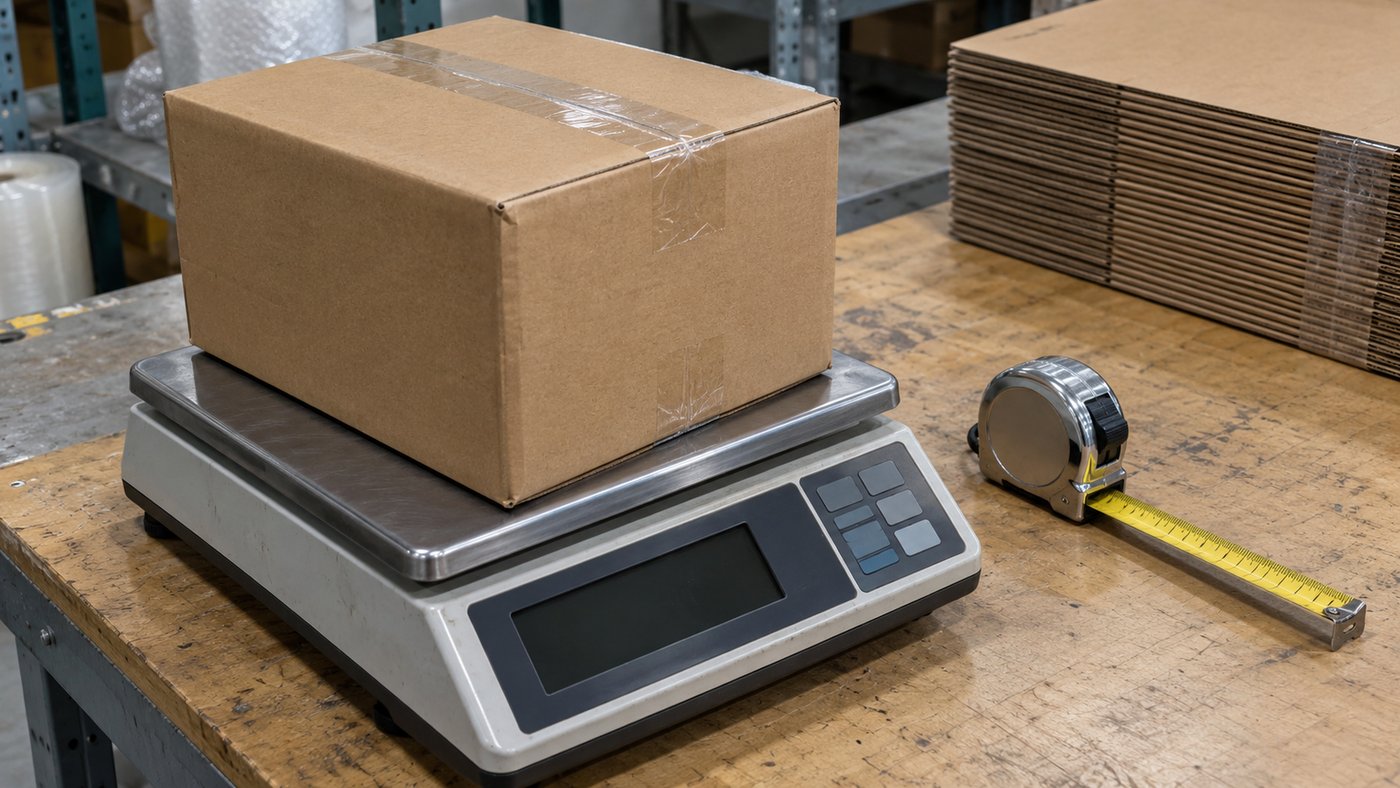
Your Amazon US store can sell well and still lose money because sales are counted before Amazon's fees, freight, duty, storage and ads, and together those can take most of the price. Revenue tells you shoppers want the product. It doesn't tell you what you keep from each sale.
Vietnamese sellers know this story well. A coffee company's general director told Tuoi Tre News in June 2024, "Revenue was positive, but transport and storage costs were sky-high." The company stopped selling on Amazon after losing money. Our own market research shows how fast this happens. In one category we researched, Amazon's fees alone took about 48% of the selling price, before freight, duty or a single ad.
The fix starts with seeing every cost on one line per product. That's the first thing our Amazon launch services build for a manufacturer, before any stock moves. If you already sell, pull last month's settlement report and write down what each product kept per unit after every charge.
One unit earns what's left of the price after the factory cost, freight, duty, Amazon's two main fees and an allowance for storage and returns. Picture one of your products as a kitchen item that ships at 1.1 lb in its retail box, inside Amazon's large standard size, selling at $24.99. Amazon's lines come from its own fee pages, read on 2 November 2026. The lines marked as assumptions are yours to replace.
| Line | Per unit | Where the number comes from |
|---|---|---|
| Price to the shopper | $24.99 | Your price |
| Factory cost (FOB) | $5.00 | Assumption, your cost sheet |
| Sea freight to Amazon's warehouses | $1.20 | Assumption, your forwarder's quote |
| Import duty | $1.00 | Assumption, your customs broker sets the real rate |
| Referral fee, 15% | $3.75 | Amazon pricing page, Home and Kitchen |
| FBA fulfillment fee | $5.22 | $5.04 non-peak 2026 rate, plus the 3.5% surcharge |
| Storage, placement and returns allowance | $0.80 | Assumption, checked in Amazon's Revenue Calculator |
| Left before ads | $8.02 | About 32% of the price |
The referral fee is Amazon's commission on each sale. On Amazon's pricing page many categories, Home and Kitchen among them, pay 15% of the price with a $0.30 minimum.
The FBA (Fulfillment by Amazon) fee pays Amazon to pick, pack and ship each order. In the 2026 US FBA fee table, a large standard item weighing more than 1 lb and up to 1.25 lb, priced between $10 and $50, costs $5.04 from 15 January to 14 October 2026. Since 17 April 2026 Amazon has added a 3.5% fuel and logistics surcharge to fulfillment fees, which brings it to about $5.22.
Pack size is the line factories most often underestimate. Amazon charges a large standard item on the greater of its actual weight and its dimensional weight, which comes from the box size. A box one size too big can push a product into a higher fee tier, so measure your retail pack before you lock the carton design. Whether FBA or a US warehouse suits a bulky product is a separate decision, covered in FBA or a US 3PL for your Amazon orders.
Duty is the line that moves most often. Your rate depends on the product's code in the US Harmonized Tariff Schedule and on where it was made, and rates can change at short notice. Read how tariffs flow into your Amazon price, then ask your customs broker for the current rate on each product. Put your own numbers into the table and write down what's left before ads as a share of the price, because that share is your ceiling for ads.
You can spend on ads up to your margin before ads and no further. In the example you have about 32% of the price to work with, or $8.02 a unit. Every sale an ad brings in at a higher cost loses you money.
Amazon measures this with ACoS, advertising cost of sales, which is ad spend divided by the sales those ads produced. Amazon Ads puts it plainly. To stay profitable, your ACoS needs to be lower than your profit margin.
Launch months break this rule on purpose. A new listing has no reviews and no rank, so ads buy the first sales and teach Amazon which searches the product belongs to. If ads cost 25% of all your sales in those months, you keep about $1.77 a unit. If ad cost settles at 12% of total sales once orders from unpaid search grow, you keep about $5.02.
That gap between the launch months and the settled months is what decides your break-even date. Write your break-even ACoS on the P&L for each product, and ask whoever runs your ads to report against it every week.
A new Amazon US brand has two break-even dates, and your board needs both. The first is the month when sales cover that month's costs, ads included. The second, the one that matters to your cash, is the payback month, when the profit from all the months so far has repaid what you spent to launch.
If you hear only the first date, it's easy to assume the second. The two can sit many months apart.
Here's how the example plays out. Say the launch costs $30,000 in photos, listings, packaging changes and the extra ad spend of the first heavy months, on top of the stock itself, which the margin per unit already pays back as it sells. That figure is an assumption, like the ones in the table. At 500 units a month and a settled ad cost, you keep about $2,500 a month after ads. Payback then takes about a year from the month ad cost settles, not from launch day. Sell 1,000 units a month at the same margin and it's closer to six months.
Outside data gives a rough range. In a survey of nearly 2,000 sellers by Jungle Scout, which sells Amazon seller software, 58% said they were profitable within their first year, and 11% took one to two years. That survey covers all kinds of sellers, not manufacturers launching from abroad in particular, so treat it as context rather than your forecast.
A bigger goal works the same way. If your board wants to know how soon the brand could reach $1 million, the same P&L can test that at 6, 12 or 24 months, as we set out in how long it takes to reach $1 million on Amazon US. Ask for the monthly break-even and the payback month as two separate dates in any plan you approve.
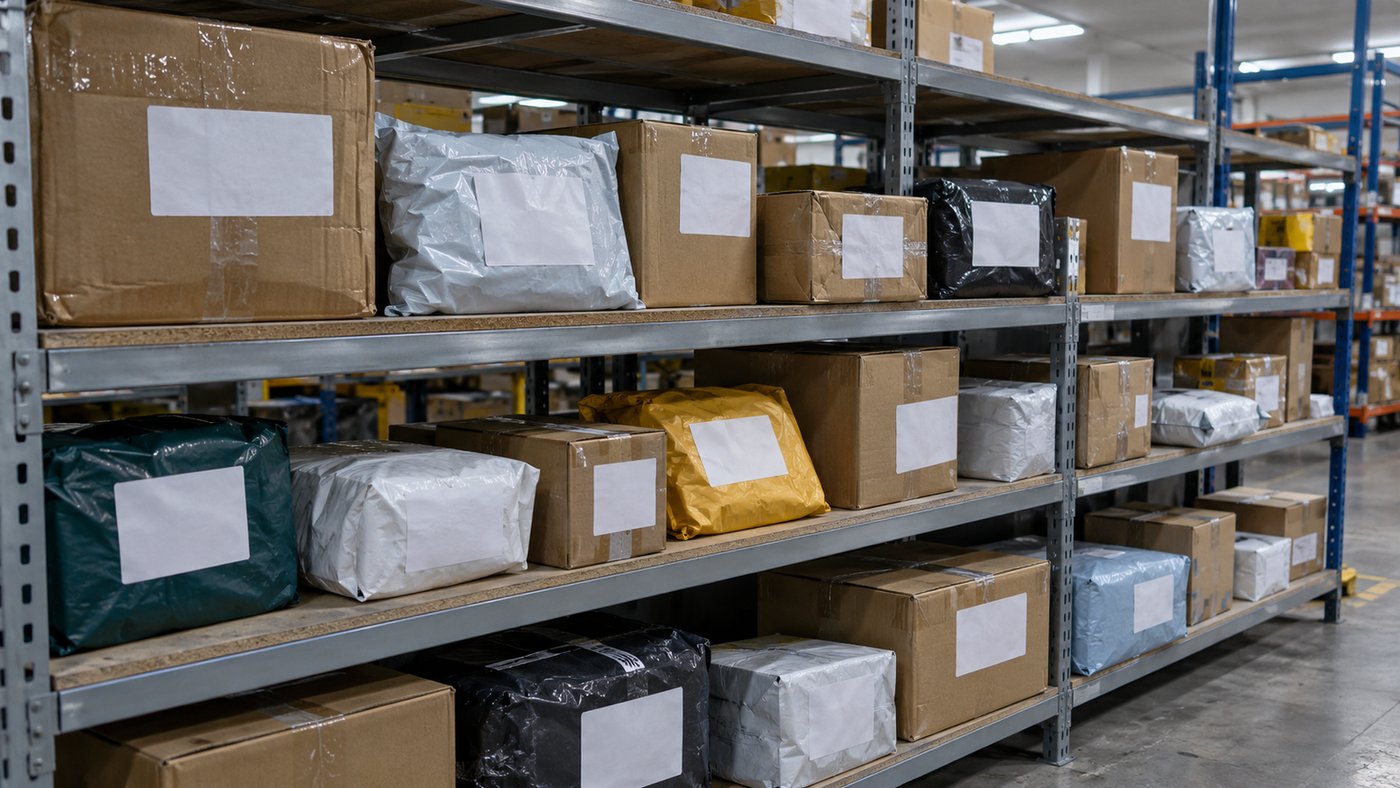
The money you need is two stock orders, the launch ads and the setup, held long enough to reach your payback month. A budget that covers only one order and the first month of ads runs out of cash long before payback.
Count these before you commit.
In the example, one order of 1,500 units costs $10,800 landed, so two orders tie up $21,600. Add the $30,000 for setup and launch ads, and the example asks you to set aside about $51,600. Your numbers will differ, so fund your plan all the way to the payback month.
The partners worth your time build a P&L for each product before launch, report against it every week and tell you when a product won't pay. A proposal that reports only on sales and ACoS can show both rising while you lose money.
So ask each candidate to show you a P&L it built for a past launch, with the client's name removed, and the actual months set next to the plan. A partner that plans for break-even will have one. A partner that only runs ads will show you an ACoS chart instead.
Ask too what they would do if a product misses its plan by month 3. The answer you want is a clear call to scale it or stop it, with the numbers behind the call.
We are one team in the US and Vietnam that builds the P&L for every product a manufacturer plans to sell on Amazon US, then runs the research, listings, ads and scaling against it.
Share your factory costs and target prices for the products you're weighing. The Amazon US Launch Audit comes back with a P&L per product and its break-even month, and the document is yours to keep.
Get Your Amazon US Launch AuditPartly. Amazon advertises incentives for brands that are new to it, and its FBA page lists a $400 credit toward inbound placement costs for new Professional sellers, plus storage and returns relief on eligible new products through the FBA New Selection program. Check the current terms in Seller Central and treat any relief as a bonus, since it ends and your plan has to work without it.
Only if the lower price still leaves room for the ads a launch needs. A cut of a few dollars on a $25 product can wipe out most of what remains after fees. A better route is a short coupon or a deal, with the full price kept as the base you plan on.
Yes. Amazon charges peak fulfillment fees from 15 October 2026 to 14 January 2027, and for the item in the table the fee rises from $5.04 to $5.34 before the surcharge. Model the fourth quarter as its own period, with its own fees and stock, so a strong December doesn't hide a weak margin.
Your finance lead should check the costs that come from inside your company, such as factory cost, freight and duty. Your customs broker confirms duty rates, and your accountant confirms how US sales are taxed for your business. We build the Amazon side, meaning fees, ads and sales, and show every assumption so your team can challenge it.

Mike Le
Co-Founder, CB/I Digital and Conative AI
Mike Le co-founded CB/I Digital in New York in 2007 and has helped brands grow through search, paid media and data ever since. He started the agency's AI team in 2019 and later started Conative AI. He writes about how customers find and choose brands now that AI answers sit between them and the search results.
Follow Mike on LinkedInCopyright © 2026 CB/I DIGITAL INC. All rights reserved | Privacy Policy