
Published November 10, 2026
She booked a drip for the morning after a friend's wedding, tipped the nurse and left a five-star review. That was four months ago. Your booking system still has her name, her address and her phone number, and nobody has used any of them since.
You paid for that first visit twice, once in ad spend and once in your nurse's time. Owners who talk about their numbers in public forums say much the same, that the money is in the patients who come back. If she books again, the ad paid for itself. If she doesn't, you'll pay again to find someone to take her place.
Patients rebook when you ask them at the right moment, in the channel they gave you, with a reason that is about the service. That means email and SMS flows built from your booking history, a sign-up inside the booking form, a plan for every booking you lost, and a membership for the regulars.
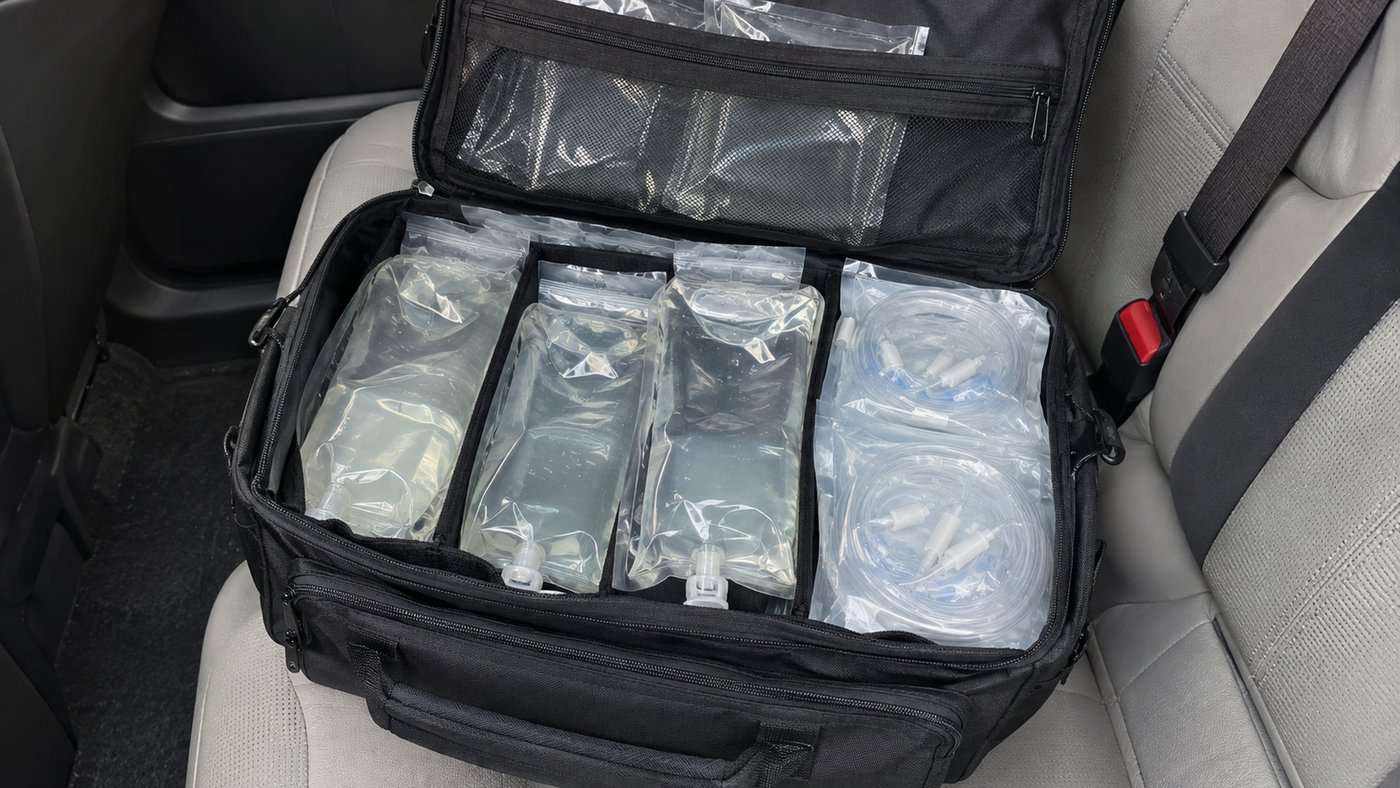
IV clients book once and never come back mostly because nobody asks them to. The booking ends with a confirmation text, the nurse packs up, and the next message your patient gets may come from a competitor's ad the next time she searches.
The first gap is timing. A patient decides to book again around the same kind of moment that brought her the first time, a trip, a busy week, a weekend away. If your only contact is the ad she clicked months ago, you're paying to win her a second time.
The second gap is permission. If the only way onto your list is a pop-up, plenty of patients close it, because they came to book, not to subscribe. Put the sign-up inside the booking form, with a box for email and a separate one for texts, so every patient who books gets the choice. Ask your attorney what consent wording your texts need before the first one goes out.
Pull the list of patients who booked once in the last six months and haven't booked since, and count them. Use that count to plan your rebooking work.
The emails and texts that bring IV patients back are triggered by something the patient did, not sent because it's Tuesday. Start with the flows below, each fed by your booking system.
Every message sells the service. "A nurse can be at your door Saturday morning" is a line you can send. A line about what the drip does for her body is a health claim, and your medical director approves every one before it runs. Keep a person approving every send too, so a promotion never lands at 2am or on a patient who complained yesterday.
Write down the trigger, the delay and the one sentence each message must say, flow by flow, before anyone opens your email tool.
A lost booking is a patient who wanted a visit and didn't get one, which makes her the warmest name on your list. Bookings are lost for different reasons, and each reason needs a different message.
When the patient wasn't verified, a call from your team usually beats a text. When no nurse was free for the slot, apologize, offer the next open time and put her first in line. When she cancelled, ask why before you offer anything. When she was outside your service area, tell her honestly whether you serve her area yet, and only promise a date you'll keep.
Peak nights make this worse. On a night like New Year's Eve, bookings with no nurse pile up within hours, so the message that wins those patients back belongs in the same plan as your nurse schedule and budget for peak seasons. Prepare that follow-up before the peak night.
Ask your dispatch lead for last month's lost bookings by reason, then check how many of those patients got any message at all.
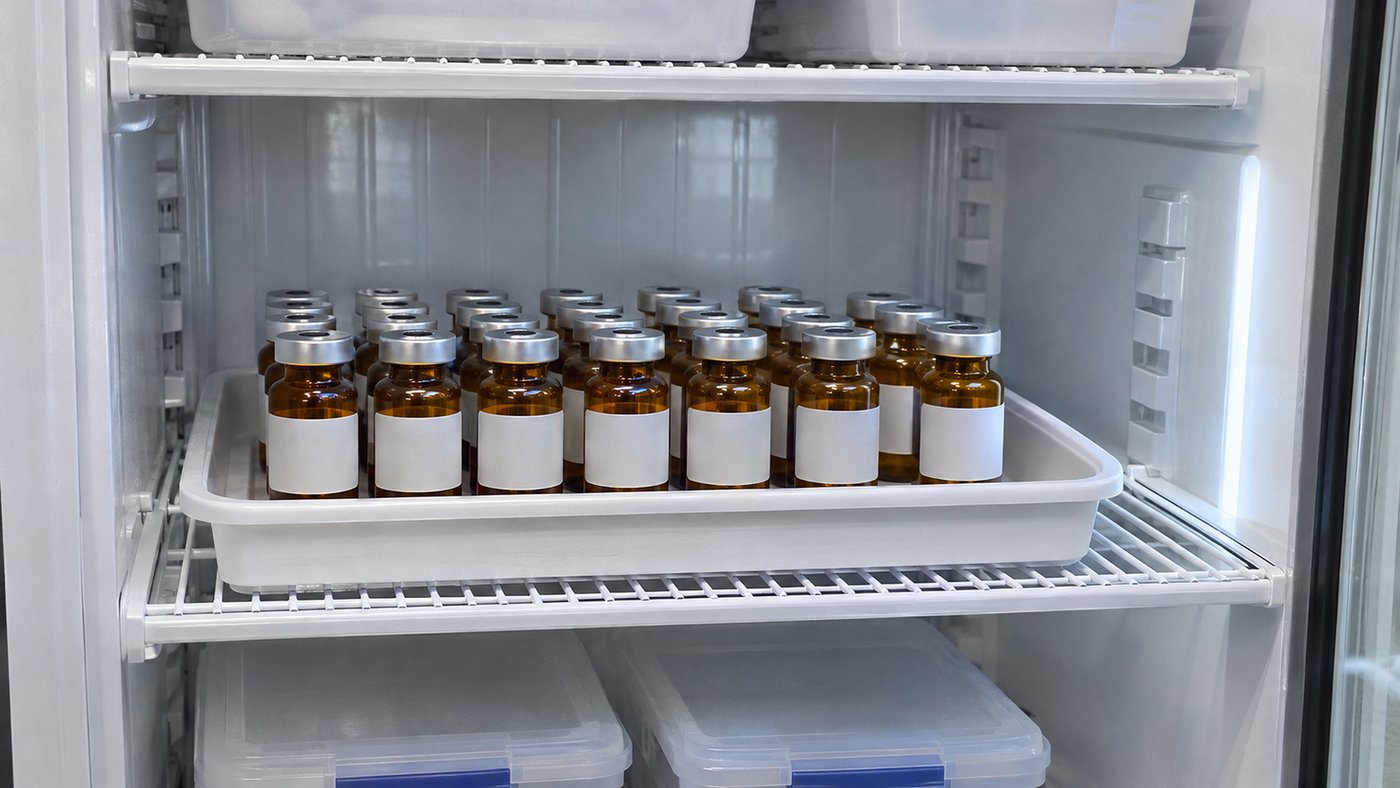
A membership works best when you offer it to patients who have already booked twice, at the moment they book again. A patient who hasn't met your nurse has no reason to commit to a monthly plan, so leading with it on the first booking mostly adds friction to your form.
Make the membership about the service. A set number of visits each month, priority on busy nights, a member rate and an easy way to pause give a regular a reason to stay. Your medical director decides which treatments a plan can include and how often, and your attorney checks the renewal and cancellation terms.
Memberships help your schedule as much as your revenue, because booked member visits tell you where nurses will be needed before the week starts. Clinic owners also say churn is the hardest part of running one, so the flows don't stop at sign-up. Remind members of visits they haven't used, and ask how it's going before the renewal date, not after a cancellation.
Check your booking data for patients with two or more visits in the last 90 days. They're your first membership list.
Rebooking is paying off when repeat paid treatments go up, not when open rates do. Opens and clicks tell you a message was seen, while the booking, the nurse assigned and the payment tell you it earned money.
Track these by city. The share of your net sales that came from email and SMS, the share of paid treatments that came from returning patients, and the cost of the ad that won each patient against what she paid over every visit since. That last number shows whether a city's ads are worth more than they look on a first-visit report. The same logic sits behind measuring marketing by completed treatments rather than leads.
Include email and SMS results in the same report as ad results. In digital marketing for IV therapy businesses, the patient an ad wins this month should be the one your flows bring back next month, so both belong in one report.
Write down this month's share of paid treatments from returning patients for each city, and check it again in 90 days.
Our team plans your email and SMS together with paid search, SEO and AI search and your booking pages, so the flows that bring patients back draw on the same booking data as the campaigns that found them.
The audit follows each city's bookings from lead to paid treatment, including cancellations and bookings no nurse could take, to show where patients drop away. Send the request and you'll have an answer within 1 business day. With access in place, your audit arrives inside 10 business days.
Get Your Mobile IV Growth AuditLet the patient's own actions set the pace. Messages tied to a booking, a cancellation or a long silence feel useful, while a weekly blast to everyone gets ignored. If you add a general update, keep it to about once a month and watch your unsubscribes after each one.
Texts suit anything time sensitive, such as an open slot tonight or a booking left halfway. Email suits a new treatment on the menu, a membership offer or a monthly note. Patients who ticked only one box hear from you in that channel alone.
It can name the treatment and its listed ingredients as your medical director has approved them. It shouldn't promise any effect on the body. Talk about the nurse, the timing and the convenience of a visit at home or at a hotel.
Yes, and they can help a mobile team more than a clinic, because member visits show where nurses will be needed ahead of time. Keep the plan simple enough that your dispatch lead can schedule it without a spreadsheet of exceptions.

Mike Le
Co-Founder, CB/I Digital and Conative AI
Mike Le co-founded CB/I Digital in New York in 2007 and has helped brands grow through search, paid media and data ever since. He started the agency's AI team in 2019 and later started Conative AI. He writes about how customers find and choose brands now that AI answers sit between them and the search results.
Follow Mike on LinkedInCopyright © 2026 CB/I DIGITAL INC. All rights reserved | Privacy Policy