
Published November 10, 2026
You're on the phone with a nurse who's stuck at a hotel front desk, sorting out which room she's going to. The office line rings, then rings again. By the time you've hung up, it's stopped, and there's no voicemail.
That caller found you through an ad you paid for, and a patient who wants a nurse this afternoon may not wait for a call back. The next listing is one tap away. You won't see them in any report, because a missed call doesn't look like a lost booking. It just looks like a quiet afternoon on the call log.
You can count how many bookings those calls cost you. Nobody else's figure fits your business, but your phone log, your booking system and your ad account hold everything you need, and an afternoon with them gives you a number you can act on.
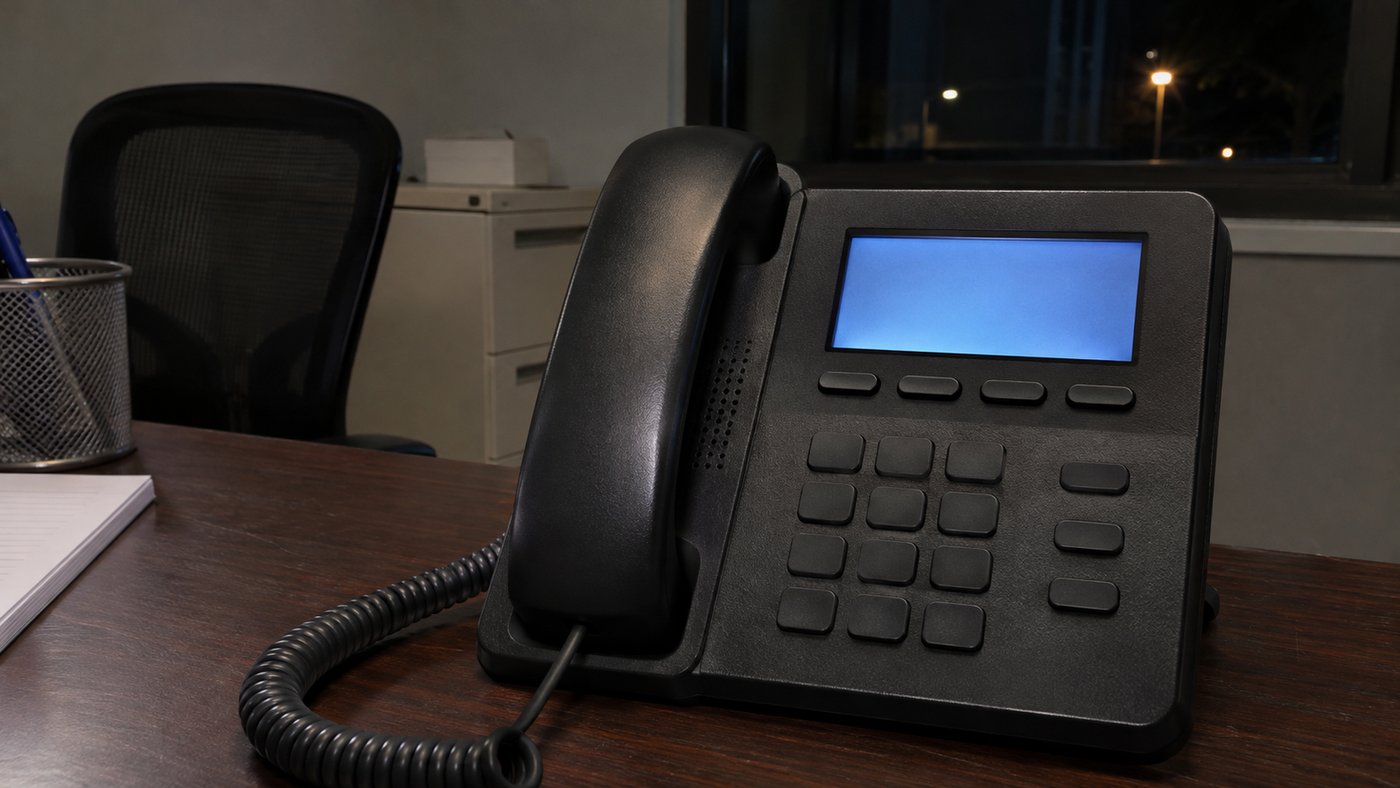
Missed calls and slow replies cost your IV business bookings whenever a patient wants a visit soon and another provider answers first. The question is how many, and that depends on how often you miss calls, when you miss them, and what share of answered calls you usually turn into paid visits.
If you find a response-time statistic online, check what it measured before you quote it to your team. A study of how fast companies answered business sales leads tells you little about a patient booking a nurse for tonight. Your own call log, read hour by hour, tells you far more about your patients than any of those studies can.
Decide now who will pull the numbers and give them until Friday to do it.
You count the calls you missed by exporting every incoming call from your phone system for the last four weeks, with its time, its outcome and the caller's number. Most business phone systems and call tracking tools record whether a call was answered, sent to voicemail or abandoned while ringing.
From that export, work out your answer rate, the share of incoming calls a person picked up. Do it by hour and by day of the week, not just as one total. A team that answers nearly every call at ten in the morning can still miss a large share between five and nine in the evening, and only an hourly count will show it.
Your ad account adds the calls that came from ads. Google's call reporting routes calls from your ads through a Google forwarding number and records details such as call start time, duration and whether the call was connected. Compare that list with your phone log and you'll see how many paid calls nobody answered.
If you serve more than one city, split the log by the number each patient dialed or the area they called about. A shared line hides which market is losing calls, and the fix in a city where one coordinator covers the phone and dispatch is different from the fix in a city with a full office. Voicemails count too. Note when each one was returned, because a call back the next morning may reach a patient who booked with someone else the night before.
Remove repeat calls from the same number within a few minutes, since one patient trying three times is one lost booking, not three. Then mark the hours where your answer rate drops lowest.
After-hours booking requests go unanswered when forms, texts and chat messages arrive after your office closes and nobody replies until morning. Your booking system and inbox already timestamp each one, so you can measure the gap between the request and your first reply.
Pull every request that came in outside office hours over the same four weeks. For each, note when it arrived, when someone first replied and whether it became a booking. Requests that waited all night and never booked are your clearest losses, because the patient asked and nobody answered in time.
This part of the count is easy to overlook, since it never shows up as a missed call. The patient filled in a form, saw a thank-you message and then booked a nurse who replied faster.
Put the after-hours requests next to the missed calls in the same sheet, by hour. You now have one view of every patient who reached out and didn't hear back.

You turn missed calls into lost paid visits by applying your own conversion rates to the patients you missed. Use the share of answered calls that become bookings, and the share of bookings that become completed, paid treatments.
Start with missed callers who didn't call back or book online within a day, plus the after-hours requests that never booked. Multiply that count by your call-to-booking rate on answered calls. Multiply the result by your completion rate, the share of bookings that end in a paid visit. That gives you an estimate of the paid visits you lost in four weeks.
Then put a value on it. Multiply the lost visits by what you keep on each finished visit once nurse pay, supplies and travel are covered. Add the ad cost of the calls that came from ads, because you paid for those clicks whether anyone answered or not.
Account for the uncertainty in your estimate. Some missed callers were never going to book, which is why you use the rate from answered calls rather than assuming every caller was a patient. Write the weekly figure down, and run the same count again a month after you change anything.
The fastest fix for missed calls is to stop paying for calls you can't answer and to reply to every caller you miss. Both can start this week without hiring anyone.
Google lets you set call numbers in your ads to appear only when your business can accept calls, through the scheduling options for call assets. Match that schedule to the hours someone is free to pick up, and let the ads send patients to online booking the rest of the time.
Next, make sure every missed caller gets a reply. A text that goes out automatically with a booking link, followed by a call from your team when the line clears, gives the patient a way to book before they try the next name. Patients who still don't book can stay on your list, and the email and SMS that bring patients back can reach them later.
Some misses aren't really phone problems. If the line rings out because the person answering is also running dispatch, the gap is staffing, and it belongs in the same weekly check where you match ad budget to the nurses you have. A plan for digital marketing for IV therapy businesses should treat the phone as part of the booking path, measured like any page.
Pick the worst hour on your sheet and decide who answers the phone during it starting next week.
We run paid search, SEO and AI search, booking pages, and email and SMS as one plan, so a patient lost on the phone, on a page or in the inbox shows up in the same count of paid treatments.
The Mobile IV Growth Audit follows the path from lead to treatment in each city you serve, including the bookings that never reach a nurse. We answer your request within 1 business day, and the audit is with you within 10 business days of access, in time to compare with the call count you ran yourself.
Get Your Mobile IV Growth AuditSet it from your own sheet rather than from an industry figure, since none we know of is drawn from IV operators' call logs. Find the hours where you answer most calls, and aim to bring the weakest hours up to that level.
Either can take a message or a booking when your team is busy. Check that it can see live nurse availability, books into your real schedule and hands anything clinical to a person. A service that takes bookings no nurse can cover only moves the problem to dispatch.
Yes. A caller from an ad may be ringing several providers from the same results page, so speed counts for even more on those calls, and it's why the forwarding-number data from your ad account is worth matching to your phone log.
Monthly is enough for most businesses, and again after any change to staffing, hours or call routing. Before a busy holiday weekend, look at the same weekend last year.

Mike Le
Co-Founder, CB/I Digital and Conative AI
Mike Le co-founded CB/I Digital in New York in 2007 and has helped brands grow through search, paid media and data ever since. He started the agency's AI team in 2019 and later started Conative AI. He writes about how customers find and choose brands now that AI answers sit between them and the search results.
Follow Mike on LinkedInCopyright © 2026 CB/I DIGITAL INC. All rights reserved | Privacy Policy